

PRP-PRF Incontinence Care
For men and women – helping improve mild urinary incontinence naturally.
May support recovery and tissue healing after childbirth, helping improve postpartum bladder control.
Promotes tissue repair and rejuvenation using your body’s own PRP.
A minimally invasive treatment designed to help restore comfort, confidence, and quality of life.
For fast bookings, consultations and questions,
please contact us via WhatsApp Message
Click to book

Call the clinic
07414123975


Join our growing list of satisfied clients
We are proud to have achieved a 100%
client satisfaction rate to date. (2026)
What is PRP-PRF
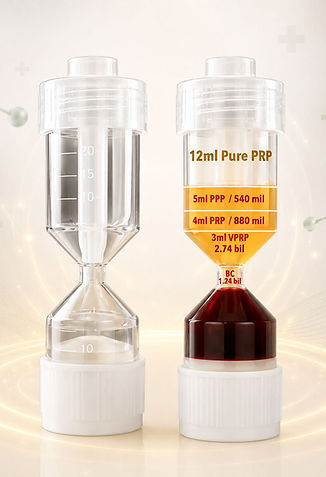
PRP and PRF are treatments that use your body’s natural and powerful healing proteins and concentrated growth factors to help with health and skin issues while also regenerating the treatment area. Both treatments contain healing and regenerative growth factors, but your practitioner will decide which treatment is better for you depending on your desired outcome and the issues you want resolved.
PRP-PRF is an advanced regenerative treatment that is highly effective for erectile dysfunction, non-surgical sexual rejuvenation, sports injuries, and a wide range of orthopaedic conditions. It promotes the repair and regeneration of muscles, cartilage, and other tissues while helping to reduce fine lines, wrinkles, scars, post-inflammatory hyperpigmentation (PIH), and rosacea. With applications in both medical and aesthetic medicine, PRP-PRF offers a natural approach to healing and rejuvenation.
Take control & Live confidently again today
Incontinence

What is it?
PRP (Platelet-Rich Plasma) therapy for incontinence is a non-surgical, drug-free treatment that uses your body's own healing factors to improve bladder control.
The procedure involves:
Drawing a small sample of your blood
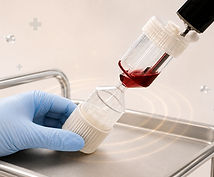
Processing it in a centrifuge to concentrate the platelets and growth factors
Injecting the PRP into tissues around the urethra and pelvic floor
These concentrated growth factors stimulate tissue repair, increase blood flow, and strengthen the muscles and supporting structures responsible for bladder control. It is performed in-clinic, takes about 30–45 minutes, and requires no downtime.



Price list

45 min
30 British pounds
1 hr
700 British pounds
1 hr
1,200 British pounds
1 hr
1,850 British pounds
20 min
150 British pounds1 hr
650 British pounds
Pre- appointment & Aftercare
Please make sure that you read both the information prior to your appointment


Important Information
Pre-appointment
Adhering to these preparation instructions can help ensure a smooth recovery and minimise the risk of complications. If you have any questions or concerns, please do not hesitate to contact us.
To ensure safe treatment and optimal results, please follow these guidelines before your PRP appointment:
Stay Well Hydrated
Drink plenty of water for 24–48 hours before your treatment. Good hydration supports blood quality and helps optimise the concentration and quality of the platelet-rich plasma (PRP). Adequate hydration also ensures healthy bladder function and accurate assessment during treatment.
Avoid Alcohol and Limit Caffeine
Avoid alcohol for at least 24–48 hours before your appointment, as it can contribute to dehydration and may affect blood quality. Limit or avoid caffeine for 24 hours before treatment, as it can irritate the bladder and increase urinary urgency, potentially interfering with your comfort during the procedure.
Avoid Blood-Thinning Medications and Supplements
If medically appropriate, avoid aspirin, ibuprofen, anti-inflammatory medications (NSAIDs), and supplements that may thin the blood, such as fish oil, omega-3 supplements, vitamin E, garlic supplements, and ginkgo biloba, for 5–7 days before treatment. Always consult your GP or prescribing clinician before stopping any prescribed medication.
Avoid Steroid Injections
Do not receive corticosteroid injections into the pelvic area for at least 4 weeks prior to PRP, as steroids suppress the healing response PRP aims to stimulate.
Optimise Your Nutritional Status
For the best possible PRP quality, ensure your vitamin and mineral levels are within healthy ranges. Consider checking key blood markers with your healthcare provider, particularly:
- Ferritin (iron stores)
- Iron levels
- Vitamin B12
- Vitamin D
Addressing any deficiencies may support overall health, blood quality, and tissue regeneration.
Bladder Preparation
Arrived comfortably but we recommend Empty your bladder completely before leaving the clinic if advised. Or at least avoid a overfull bladder.
Wear Comfortable, Loose Clothing
Wear loose, comfortable clothing that allows easy access to the pelvic/genital area. For women, a skirt or loose dress is ideal. For men, loose-fitting trousers or shorts are recommended. You will be provided with a gown or covering for modesty during the procedure.
Avoid Treatment if You Have an Active Infection
PRP treatment cannot be performed if you have any of the following:
Active urinary tract infection (UTI)
Genital or pelvic infection
Inflammation, rashes, open wounds, or broken skin in the pelvic/genital area
Active skin infection or sexually transmitted infection (STI)
Please contact the clinic if you develop any illness, urinary symptoms (burning, urgency, frequency), or infection before your appointment.
Inform Us of Your Medical History
Please disclose any of the following during your consultation:
Bladder or urinary conditions (e.g., overactive bladder, interstitial cystitis, recurrent UTIs)
Pelvic floor dysfunction or previous pelvic surgery
Prostate conditions (for men) or gynaecological conditions (for women)
Any medical conditions, medications, allergies, or bleeding disorders
Recent illnesses or surgeries
Previous adverse reactions to injections or anaesthetics
Possibility of pregnancy or if you are currently breastfeeding
Personal Hygiene
Cleanse the treatment area thoroughly before your appointment. Do not apply creams, lotions, oils, powders, or deodorants to the genital or perineal area on the day of treatment. Please ensure good personal hygiene on the day of treatment. Empty your bladder immediately before the procedure for comfort and to reduce pressure on the pelvic area during treatment.
Avoid Treatment if You Have an Active Infection
PRP treatment cannot be performed if you have an active urinary tract infection, genital infection, inflammation, rashes, open wounds, or broken skin in the treatment area. Please contact the clinic if you develop any illness, infection, or UTI symptoms before your appointment.
Inform Us of Your Medical History
Please disclose any medical conditions, medications, allergies, recent illnesses, bleeding disorders, previous surgeries, or adverse reactions during your consultation. Inform us of any history of pelvic surgery, prostate treatment, childbirth complications, or previous incontinence procedures. Inform us if there is any possibility of pregnancy or if you are currently breastfeeding.
Eat Before Your Appointment
Have a light, balanced meal 1–2 hours before treatment. This can help reduce the risk of light-headedness and make your appointment more comfortable.
Continue drinking water throughout the day.
Empty your bladder before arriving.
Arrive relaxed and on time to allow for a smooth treatment experience.
Avoid strenuous exercise, heavy lifting, or activities that strain the pelvic floor before your appointment to prevent additional inflammation in the target area.
On the Day of Treatment
- Continue drinking water throughout the day.
- Arrive relaxed and on time to allow for a smooth treatment experience.
- Avoid strenuous exercise or heavy lifting before your appointment to prevent additional strain on the pelvic floor.
- Wear comfortable, loose clothing that allows easy access to the treatment area and can be easily removed if needed.
Important Information
Aftercare
Adhering to these aftercare instructions can help ensure a smooth recovery and minimise the risk of complications. If you have any questions or concerns, please do not hesitate to contact us.
Proper aftercare is essential for maximising the healing potential, optimising results, and minimising complications. PRP targets the tissues supporting bladder control and pelvic floor function by utilising your body's natural growth factors. Please follow these guidelines carefully.
Rest and Activity Modification
Avoid strenuous physical exercise, heavy lifting, high-impact activities, or anything placing excessive strain on the pelvic floor for 3 to 5 days. Gradually resume normal daily activities, but listen to your body. Avoid sexual intercourse for at least 48 to 72 hours to allow the PRP to settle and begin the regenerative process.
Ice Application
Apply a cold pack to the treated external area (if applicable) for 10 to 15 minutes every 2 to 3 hours during the first 24 to 48 hours to help manage discomfort and reduce swelling. Always place a cloth or towel between the cold pack and your skin. Do not apply ice directly to the genital area.
Pain and Swelling Management
Some tenderness, bruising, or mild discomfort at the injection sites is common and expected. This typically lasts for one to three days. If needed, take acetaminophen (paracetamol) for mild pain. *Avoid NSAIDs such as ibuprofen, naproxen, and aspirin for at least one week, as they interfere with PRP's natural healing properties. Mild swelling is common and should subside within 2 to 3 days. If swelling becomes excessive, is accompanied by significant pain, or persists beyond one week, contact your practitioner immediately.
Avoid Heat and Massage
Avoid hot baths, saunas, steam rooms, and heat packs for at least 48 to 72 hours after injection, as heat can increase blood flow and exacerbate inflammation. Refrain from massaging, rubbing, or manipulating the treated area for at least one week, as this may disrupt the healing process and affect growth factor distribution.
Hygiene and Infection Prevention
Keep the injection area clean and dry. Wear loose, breathable cotton underwear to promote airflow and reduce moisture. Avoid tight clothing that may cause friction or pressure on the treated area. If you notice increased redness, warmth, significant swelling, pus, unusual discharge, or fever, contact your practitioner immediately — these may be signs of infection.
Pelvic Floor Protection
Avoid straining during bowel movements—maintain adequate hydration and fibre intake to prevent constipation. For lower pressure on the pelvic floor, avoid prolonged standing and take rest periods with legs elevated when possible. Perform only gentle pelvic floor exercises if specifically advised by your practitioner; otherwise, avoid aggressive Kegel exercises for the first 72 hours.
Pelvic Rest and Sexual Activity
Refrain from sexual intercourse, tampon use, and any insertion into the vagina or rectum for at least 48 to 72 hours (or as advised by your practitioner) to allow the treated tissues to settle and heal. This helps prevent infection and ensures optimal growth factor distribution.
Avoid Heat and Massage
Urinary Care
You may resume normal urination immediately after treatment.
Some patients experience mild stinging or urgency when urinating for the first 24 hours — this is normal.
Drink plenty of water to stay hydrated and support tissue healing.
Avoid holding urine for long periods; empty your bladder regularly.
If you experience burning, pain, or difficulty urinating that persists beyond 48 hours, contact your practitioner.
Gentle Movement and Rehabilitation
After 72 hours, begin gentle walking and light daily activities as tolerated. Gradual pelvic floor physiotherapy may be recommended to strengthen the area and restore full continence function. Do not force exercises or push through pain.
Monitor the Injection Site
Though rare, infection is possible. If you notice increased redness, warmth, significant swelling, pus, or fever, contact your practitioner immediately. Small bruises or needle marks are common and should resolve within a few days to one week. Small lumps may form at injection sites. These typically resolve on their own within 1 to 2 weeks. Do not attempt to massage or drain them.
Lifestyle and Hydration
Drink plenty of water to support cellular regeneration and optimal healing. Avoid alcohol for at least 48 hours post-injection, as it can interfere with healing and increase bruising. Smoking impairs blood flow and compromises results, so avoid it for at least one week. Ideally, use this as an opportunity to quit. Maintain a nutrient-rich diet to support tissue repair and collagen production.
Bladder Habits
Continue normal fluid intake—do not restrict fluids as this can irritate the bladder. Avoid caffeine and alcohol for 48 hours as they can irritate the bladder and worsen urgency. Empty your bladder regularly and avoid holding urine for prolonged periods.
Things to Avoid
- Sexual intercourse for 48 to 72 hours to allow the PRP to settle and begin regeneration.
- Strenuous exercise and heavy lifting for 3 to 5 days to prevent excessive pressure and trauma on the pelvic floor.
- NSAIDs such as ibuprofen, naproxen, and aspirin for at least one week because they interfere with natural inflammatory healing.
- Alcohol for at least 48 hours because it impairs healing and increases bruising.
- Heat therapy, including saunas, hot baths, and heat packs, for 48 to 72 hours because it can exacerbate inflammation.
- Massage or manipulation of the treated area for at least one week because it may disrupt growth factor distribution.
- Smoking for at least one week because it impairs vascularisation and healing.
- Straining during bowel movements—use stool softeners if needed.
Expected Timeline and Results
- 0 to 48 hours: Mild tenderness, possible bruising, and swelling. Rest and ice are essential. Avoid straining.
- Days 3 to 7: Discomfort subsides and you can gradually return to light activities. Early bladder sensation changes may be noticed.
- Weeks 2 to 4: Early improvements in bladder control, urgency, and leakage may begin.
- Weeks 4 to 8: Progressive enhancement of continence as tissue regeneration and collagen production develop.
- 3 to 6 months: Optimal results are achieved and maintenance treatments may be discussed.

