

PRP For Eye Condition (Dry Eyes & More)
-
PRP Eye Treatment May Help With:
-
Dry Eye Syndrome
-
Meibomian Gland Dysfunction (MGD)
-
Ocular Surface Disease
-
Chronic Blepharitis
-
Recurrent Corneal Erosions
-
Post-LASIK Healing
-
Post-Cataract Surgery Recovery
-
Periocular Skin Rejuvenation
-
Fine Lines Around the Eyes
-
Dark Circles
-
Thinning Skin Around the Eyes
-
Sjögren’s Syndrome-Related Dry Eye

For fast bookings, consultations and questions,
please contact us via WhatsApp Message
Click to book

Call the clinic
07414123975

Join our growing list of satisfied clients
We are proud to have achieved a 100%
client satisfaction rate to date. (2026)
What is PRP-PRF
PRP and PRF are treatments that use your body’s natural and powerful healing proteins and concentrated growth factors to help with health and skin issues while also regenerating the treatment area. Both treatments contain healing and regenerative growth factors, but your practitioner will decide which treatment is better for you depending on your desired outcome and the issues you want resolved.
PRP-PRF is an advanced regenerative treatment that is highly effective for erectile dysfunction, non-surgical sexual rejuvenation, sports injuries, and a wide range of orthopaedic conditions. It promotes the repair and regeneration of muscles, cartilage, and other tissues while helping to reduce fine lines, wrinkles, scars, post-inflammatory hyperpigmentation (PIH), and rosacea. With applications in both medical and aesthetic medicine, PRP-PRF offers a natural approach to healing and rejuvenation.

Helping restore eye comfort, moisture, and surface healing.
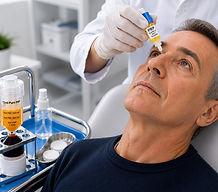
PRP Eye Treatment is a natural procedure that uses Platelet-Rich Plasma (PRP) prepared from your own blood. The concentrated growth factors are carefully applied to the eye area — including the eyelid margins, conjunctival surface, and periocular tissues — to stimulate ocular surface regeneration, improve tear film quality, reduce inflammation, and support the function of the meibomian glands. This innovative treatment harnesses your body's own healing mechanisms to address dry eye syndrome, ocular surface disease, and periocular skin concerns without synthetic chemicals or invasive surgery.


Price list

30 min
30 British pounds1 hr
300 British pounds45 min
320 British pounds45 min
350 British pounds45 min
370 British pounds
1 hr
400 British pounds
Pre- appointment & Aftercare
Please make sure that you read both the information prior to your appointment


Important Information
Pre-appointment
Adhering to these preparation instructions can help ensure a smooth recovery and minimise the risk of complications. If you have any questions or concerns, please do not hesitate to contact us.
To ensure safe treatment and optimal results, please follow these guidelines before your PRP eye treatment appointment:
STAY WELL HYDRATED
Drink plenty of water for 24–48 hours before your treatment. Good hydration supports blood quality and helps optimise the concentration and quality of the platelet-rich plasma (PRP). Adequate hydration also supports natural tear production and overall eye moisture balance, which is particularly important for patients undergoing treatment for dry eye conditions.
AVOID ALCOHOL AND LIMIT CAFFEINE
Avoid alcohol for at least 24–48 hours before your appointment, as it can contribute to dehydration and may affect blood quality. Limit or avoid caffeine for 24 hours before treatment, as it can contribute to dehydration and may temporarily reduce tear production, potentially worsening dry eye symptoms before your procedure.
AVOID BLOOD-THINNING MEDICATIONS AND SUPPLEMENTS
If medically appropriate, avoid aspirin, ibuprofen, anti-inflammatory medications (NSAIDs), and supplements that may thin the blood for 5–7 days before treatment. These include fish oil, omega-3 supplements, vitamin E, garlic supplements, and ginkgo biloba. Always consult your GP or prescribing clinician before stopping any prescribed medication.
AVOID STEROID INJECTIONS OR EYE DROPS
Do not receive corticosteroid injections or use steroid-based eye drops for at least 2 weeks prior to PRP treatment, as steroids suppress the healing response PRP aims to stimulate. If you are currently using prescription eye drops, please inform your practitioner during consultation. Do not discontinue any prescribed eye medication without consulting your ophthalmologist or prescribing clinician.
OPTIMISE YOUR NUTRITIONAL STATUS
For the best possible PRP quality, ensure your vitamin and mineral levels are within healthy ranges. Consider checking key blood markers with your healthcare provider, particularly ferritin (iron stores), iron levels, vitamin B12, and vitamin D. Addressing any deficiencies may support overall health, blood quality, and tissue regeneration. For eye health specifically, adequate levels of omega-3 fatty acids, vitamin A, and zinc may support ocular surface healing and tear film stability. Your practitioner may recommend specific supplements to support eye health before and after treatment.
EYE PREPARATION
Remove all eye makeup, including mascara, eyeliner, eyeshadow, and false eyelashes, before arriving for your appointment. Do not apply eye creams, serums, or cosmetics to the eye area on the day of treatment. If you wear contact lenses, remove them at least 2 hours before your appointment and wear glasses instead. Bring your glasses with you to the clinic. Ensure your eyes are clean and free from any discharge or irritation.
WEAR COMFORTABLE, PRACTICAL CLOTHING
Wear comfortable, loose clothing that allows you to recline comfortably during the procedure. Avoid tight collars or restrictive neckwear, as you will be positioned in a reclined chair for approximately 30 to 45 minutes. You may wish to bring a light cardigan or blanket, as clinics are often kept cool for equipment purposes.
AVOID TREATMENT IF YOU HAVE AN ACTIVE EYE INFECTION
PRP eye treatment cannot be performed if you have any of the following:
Active eye infection such as conjunctivitis (pink eye) or blepharitis. Active cold sore or herpes simplex outbreak near the eye area. Any inflammation, redness, or irritation of the eyes or eyelids. Open wounds, scratches, or abrasions on the eye surface or surrounding skin. Recent eye surgery or laser eye procedure within the past 3 months. Active sinus infection or severe upper respiratory infection.
Please contact the clinic if you develop any eye symptoms including redness, discharge, pain, itching, or vision changes before your appointment.
INFORM US OF YOUR MEDICAL HISTORY
Please disclose any of the following during your consultation:
Dry eye syndrome, blepharitis, meibomian gland dysfunction, or other chronic eye conditions. Previous eye surgeries including LASIK, cataract surgery, or corneal procedures. Glaucoma, cataracts, or other diagnosed eye diseases. Any autoimmune conditions such as Sjogren's syndrome, rheumatoid arthritis, or lupus that may affect eye health. Thyroid conditions or hormonal imbalances. Current medications including eye drops, blood thinners, or immunosuppressants. Allergies to topical anaesthetics, preservatives in eye drops, or latex. Recent illnesses or surgeries. Previous adverse reactions to injections or eye procedures. Possibility of pregnancy or if you are currently breastfeeding.
PERSONAL HYGIENE AND EYE CARE
Cleanse your face thoroughly before your appointment, paying particular attention to the eye area to remove any residual makeup, oils, or skincare products. Do not apply creams, lotions, oils, or cosmetics to the face or eye area on the day of treatment. Ensure good personal hygiene on the day of treatment. If you experience any eye discomfort, excessive tearing, or irritation on the day of your appointment, please contact the clinic before arriving.
EAT BEFORE YOUR APPOINTMENT
Have a light, balanced meal 1–2 hours before treatment. This can help reduce the risk of light-headedness during the blood draw and make your appointment more comfortable. Avoid heavy, greasy meals that may cause nausea. A meal containing protein and complex carbohydrates is ideal for maintaining stable blood sugar levels.
ADDITIONAL EYE-SPECIFIC GUIDELINES
*48 Hours Before Treatment:* Avoid excessive screen time including computers, smartphones, and television to reduce eye strain. Avoid swimming pools, hot tubs, and saunas to prevent eye irritation and exposure to bacteria. Avoid rubbing or touching your eyes unnecessarily. Do not use eyelash curlers or undergo eyelash extensions. Avoid environments with excessive dust, smoke, or air conditioning that may dry the eyes.
*24 Hours Before Treatment:* Avoid alcohol completely. Avoid salty foods that may contribute to dehydration and puffiness around the eyes. Get a good night's sleep to support healing and reduce eye fatigue. Avoid using over-the-counter redness-relief eye drops, as these can mask underlying irritation. Do not apply any eye serums, retinol products, or active ingredients near the eye area.
*On the Day of Treatment:* Continue drinking water throughout the day. Arrive relaxed and on time to allow for a smooth treatment experience. Avoid wearing eye makeup or contact lenses. Bring sunglasses with you, as your eyes may be slightly sensitive to light immediately after treatment. Arrange for someone to drive you home if your practitioner advises against driving immediately post-procedure. Avoid strenuous exercise or activities that cause excessive sweating before your appointment.
WHAT TO EXPECT ON THE DAY
Your practitioner will begin with a consultation review to confirm your medical history, assess your eye condition, and discuss your treatment goals. Before photos of your eyes may be taken for your medical records. Your eye area will be thoroughly cleansed and prepped. Numbing eye drops or a topical anaesthetic gel may be applied to the eyelid area for comfort. For PRP treatments, a small blood sample will be drawn from your arm and processed in a centrifuge to extract the concentrated platelet-rich plasma. The PRP will then be carefully applied to the eyelid margins, conjunctival surface, or periocular area depending on your specific condition and treatment plan. The procedure typically takes 30 to 45 minutes. Post-treatment instructions and any recommended eye drops or ointments will be provided.
Important Information
Aftercare
Adhering to these aftercare instructions can help ensure a smooth recovery and minimise the risk of complications. If you have any questions or concerns, please do not hesitate to contact us.
Following these aftercare instructions will support healing and maximise results.
Proper aftercare is essential for maximising the healing potential, optimising results, and minimising complications. PRP eye treatments target ocular surface rejuvenation, tear film stabilisation, meibomian gland function, and overall eye wellness by utilising your body' natural growth factors. Please follow these guidelines carefully.
REST AND ACTIVITY MODIFICATION
Avoid strenuous exercise, heavy lifting, and activities that cause excessive sweating for at least 24 to 48 hours after treatment. This includes high-intensity workouts, running, cycling, and any activity that significantly increases heart rate or causes perspiration near the eye area. Sleep with your head slightly elevated for the first 1 to 2 nights to minimise swelling around the eyes. Avoid touching, rubbing, or pressing on your eyes or eyelids for at least 48 hours to allow the PRP to penetrate the ocular tissues properly. Do not wear contact lenses for at least 48 hours after treatment, or as directed by your practitioner.
COLD COMPRESS APPLICATION
Apply a cold compress or chilled eye mask wrapped in a soft cloth to the eye area for 10 to 15 minutes every 2 to 3 hours during the first 24 hours to help manage discomfort and reduce swelling. Always place a cloth or towel between the cold compress and your skin. Do not apply ice directly to the eyes or eyelids. Be gentle and avoid pressing firmly on the eyeball or surrounding tissues.
PAIN AND SWELLING MANAGEMENT
Some tenderness, mild throbbing, or discomfort around the eye area is common and expected. This typically lasts for one to three days. If needed, take acetaminophen (paracetamol) for mild pain. Avoid NSAIDs such as ibuprofen, naproxen, and aspirin for at least one week, as they interfere with PRP's healing properties and may increase bruising.
Mild swelling of the eyelids or periocular area is common and should subside within 24 to 48 hours. Some patients experience a feeling of tightness or fullness around the eyes for 2 to 3 days. If swelling becomes excessive, is accompanied by significant pain, or persists beyond one week, contact your practitioner immediately.
AVOID HEAT AND SWEAT
Avoid hot baths, saunas, steam rooms, sunbeds, and heat packs for at least 48 to 72 hours after injection, as heat can increase blood flow and exacerbate inflammation. Avoid activities that cause excessive sweating, including strenuous exercise, hot yoga, and sun exposure, for 48 hours. Sweat can irritate fresh treatment sites and introduce bacteria near the delicate eye area.
EYE CARE AND HYGIENE
Do not wash your face or eye area for at least 6 to 12 hours after treatment to allow the PRP to fully absorb into the ocular tissues. When you do cleanse your face, use lukewarm water and a gentle, fragrance-free cleanser. Avoid vigorous rubbing or massaging of the eye area for 7 days. Pat the eye area dry gently with a soft towel — do not rub. Avoid direct water pressure on the eyes when showering for 48 hours.
Do not use eye makeup, including mascara, eyeliner, eyeshadow, or false eyelashes, for at least 48 hours after treatment. Do not apply eye creams, serums, or any skincare products to the eye area for 24 hours unless specifically directed by your practitioner.
MONITOR THE TREATMENT AREA
Though rare, infection is possible. If you notice increased redness, warmth, significant swelling, pus, or fever, contact your practitioner immediately. Small bruises or needle marks around the eye area are common and should resolve within a few days to one week. Small lumps may form at injection sites. These typically resolve on their own within 1 to 2 weeks. Do not attempt to massage or drain them unless specifically directed.
Mild redness and a tender sensation around the eyelids may persist for 24 to 48 hours. This is normal. Some patients experience mild itching as healing begins — do not scratch or rub the eyes. Increased tearing or temporary blurred vision may occur immediately after treatment and typically resolves within a few hours. Do not pick or scratch at any flaking skin around the eye area.
Dry eye patients: You may experience temporary increased dryness or grittiness in the first 24 to 48 hours as the eye surface adjusts. This is normal and typically improves as the PRP begins to stimulate tear production and ocular surface healing.
ENHANCEMENT PROTOCOL
Your practitioner may recommend specific products or practices to enhance results.
Topical Eye Treatments: A gentle eye care routine may be recommended beginning 24 hours post-treatment. Use preservative-free artificial tears or lubricating eye drops as directed to support tear film stability and ocular surface hydration. Your practitioner may recommend a specific post-treatment eye serum containing growth factors, hyaluronic acid, or autologous serum drops to support healing. Avoid over-the-counter redness-relief drops, as these can mask underlying irritation and may contain preservatives that interfere with healing.
Eyelid Care: For patients with meibomian gland dysfunction or blepharitis, warm compresses may be recommended after 48 hours to support gland function. Use a clean, warm (not hot) compress applied to closed eyelids for 5 to 10 minutes. Your practitioner may recommend specific eyelid cleansers or wipes to maintain hygiene without irritating healing tissue.
Supplements: Some providers recommend eye-supporting supplements such as omega-3 fatty acids, vitamin A, zinc, or lutein to complement PRP results and support tear film quality. Only take supplements as directed by your practitioner. L-arginine, citrulline, or specific vitamins may be recommended to support vascular health and nutrient delivery to ocular tissues. Arnica cream or tablets may be recommended to reduce bruising if you are prone.
LIFESTYLE AND HYDRATION
Drink plenty of water to support cellular regeneration and optimal healing. Aim for at least 2 litres daily in the first week after treatment. Avoid alcohol for at least 48 hours post-injection, as it can interfere with healing and increase bruising. Ideally, avoid alcohol for one week to maximise results. Smoking impairs blood flow and compromises results, so avoid it for at least one week. Ideally, use this as an opportunity to quit. Maintain a nutrient-rich diet high in omega-3 fatty acids, vitamin A, vitamin C, zinc, and antioxidants to support tissue repair, collagen production, and ocular surface health.
THINGS TO AVOID
Strenuous exercise and heavy lifting should be avoided for 3 to 5 days to prevent excessive sweating and trauma to the eye area. NSAIDs such as ibuprofen, naproxen, and aspirin should be avoided for at least one week because they interfere with natural inflammatory healing. Alcohol should be avoided for at least 48 hours because it impairs healing and increases bruising. Heat therapy, including saunas, hot baths, and heat packs, should be avoided for 48 to 72 hours because it can exacerbate inflammation. Sweating and excessive moisture around the eyes should be avoided for 48 hours because it can irritate treatment sites. Smoking should be avoided for at least one week because it impairs vascularisation and healing. Direct sun exposure and tanning beds should be avoided for 1 week because UV radiation can damage healing skin and cause sensitivity around the eyes. Eye makeup including mascara, eyeliner, eyeshadow, and false eyelashes should be avoided for at least 48 hours because it can introduce bacteria to healing sites. Contact lenses should be avoided for 48 hours because they can irritate the ocular surface and disrupt tear film stability. Eye creams, serums, and active ingredients including retinol should be avoided for 7 days because they can irritate sensitive post-treatment skin. Swimming pools, hot tubs, and saunas should be avoided for 1 week because chlorine and bacteria can irritate healing eye tissues. Excessive screen time including computers, smartphones, and television should be limited for 48 hours because it can strain the eyes and reduce blink rate, affecting tear film distribution.
EXPECTED TIMELINE AND RESULTS
During the first 0 to 48 hours, you may experience mild tenderness, redness, possible bruising, and swelling around the eye area. Rest is essential. Some patients notice temporary increased dryness, grittiness, or light sensitivity during the first 24 to 48 hours. This is normal as the ocular surface adjusts. From days 3 to 7, discomfort subsides and you can gradually return to normal activities. The eye area may feel slightly tender or itchy as healing begins. Artificial tears may be used frequently during this period to support comfort.
During weeks 2 to 4, early improvements in tear film stability, reduced dryness, and enhanced ocular comfort may become noticeable. Existing symptoms of grittiness or burning may begin to diminish. During weeks 4 to 8, there is progressive enhancement of results as the ocular surface regenerates and meibomian gland function improves. Tear production and quality typically become more consistent. By 3 to 6 months, optimal results are achieved with noticeable improvements in eye moisture, comfort, and overall ocular surface health. A course of 3 to 4 treatments spaced 4 to 6 weeks apart is often recommended for optimal outcomes, followed by maintenance sessions every 3 to 6 months depending on your condition severity and response.